
How to Stay Warm During Long Winter Photo Sessions – A Guide for Nature Photographers
For nature photographers, winter is often where the most rewarding images are made — but only if you can stay warm long enough to keep shooting.
In freezing conditions where colour, contrast and silence define the experience, staying warm isn’t optional — it’s essential to keep shooting, stay focused, and capture more of what matters. In this guide, we share field-tested clothing strategies that help you stay comfortable and productive in long winter sessions — from layering systems to heated accessories.
Staying warm in winter quick instructions:
• Base layer: start with merino wool
• Warm middle layer
• Heated accessories = extended shooting time
• Windproof warm shell
• Don’t forget warm shoes!
Staying warm during long winter photo sessions
Every nature photographer learns this quickly: cold creeps in fast when you are not moving. Fingers stiffen, toes go numb, concentration fades, and photography becomes difficult long before the session should end. Good winter clothing is not a luxury – it is essential for comfort, safety, and staying focused when the moment finally happens.
In this blog, I share practical, field-tested advice on winter clothing for nature photographers, based on real experience in Nordic winter conditions. From long mornings in photography hides to cold, quiet hours in the open landscape, the goal is simple: stay warm enough to enjoy the experience and keep photographing.
I also share my personal experiences with heated accessories, such as Nevercold heated gloves, which have made a clear difference during long hours in freezing conditions.
And yes – there is also a discount code at the end, available in Finland and for those visiting Villa Finnature.

Everyone feels cold differently
Cold tolerance is very personal. One photographer may manage well in thin neoprene gloves at –20°C, while for another the same gloves are only suitable for a short walk on a mild day. Standing still reduces blood circulation, which makes hands and feet cold very quickly – a challenge every nature photographer knows well.
For photographers who feel cold easily, long, still sessions are especially demanding. When movement stops, circulation slows down and extremities cool rapidly. In these conditions, wool layers alone are often not enough. External heat sources, such as heated gloves, a heated vest, or small heat pads, can make a remarkable difference and help you stay comfortable and focused for much longer.

Layering: the foundation of good winter clothing
Effective winter clothing is always based on layers. A well-built system keeps moisture away from the skin, traps warmth, and protects against wind and snow.
- Base layers – one or two layers of wool
In freezing weather, one base layer is often not enough. I personally use two merino wool base layers on very cold days. Merino is warm, breathable and comfortable against the skin. Alpaca wool is another excellent option. Wool is also a natural material that provides steady, balanced warmth in cold weather — it not only keeps you warm, but regulates temperature much better than many synthetic fabrics. Visitors from abroad often rely on cotton or basic synthetics, but cotton offers very poor insulation in winter and does not come close to the warmth that quality wool can provide.
And important note: please make sure your merino wool clothing is mulesing-free. Mulesing is a painful procedure used on some sheep, so choosing mulesing-free wool supports better animal welfare.
- Mid-layer – a proper wool jumper
A thick wool jumper provides strong insulation and keeps you warm even when slightly damp. Remember that wool also needs care, and special treatments can improve its insulating ability over time. Fleece can feel comfortable and lightweight, but research has shown that it releases significant amounts of microplastics into the environment when washed — another reason why high-quality wool is often a more sustainable and warmer choice for winter photography..
- Extra warmth – a light down jacket
A thin down jacket worn over wool adds an efficient warmth layer. It packs small and fits easily into a camera bag. Traditional wool trousers are also useful if you need extra warmth for the legs.
- Outer layer – a thick down jacket and weatherproof shell
The outer layer must block wind and allow space for all inner layers. For photographers standing still, wind protection is absolutely critical. I often use a down jacket with a Gore-Tex shell. For trousers, I choose down trousers in dry weather, and durable insulated work trousers or a windproof shell for down trousers in wet and windy conditions.

Heated vest: warmth right where you need it
This winter I am testing the Nevercold Tundra heated vest, powered by rechargeable batteries. I will share more detailed results later once the real cold arrives. I originally discovered Nevercold when I was looking for a heated vest for my father after dialysis treatments — and he has been very happy with his. Now it is my turn to try it.
A heated vest is an excellent extra layer because it warms the core of the body when needed. When your torso stays warm, your hands and feet stay warm more easily as well. The heat settings are simple to control, which makes it easy to adjust during a long photography session.
The reason I originally chose Nevercold was the thoughtful placement of the heating elements and, of course, the Finnish design — proudly from my hometown Oulu.
If you are interested on these products read further there will be a discount code (only for Finland)

A Warm Hat Matters More Than You Think
In northern conditions a double wool beanie usually works well. But in places with strong wind, such as Norway or Japan, I often wear old pilot’s cap. It may not be the prettiest, but in harsh wind it is unbeatable. It protects the ears, neck and part of the face, significantly reducing heat loss. Many studies show that if the head is left uncovered while the rest of the body is well insulated, a surprisingly large amount of heat can escape from the head — which is why a good winter hat makes such a big difference for nature photographers.
Photographers worst enemy: cold hands
Cold hands are one of the biggest challenges for wildlife photographers. You need finger sensitivity to handle the camera, and traditional thick mittens make this very difficult.
I have tested many types of gloves and warmers and many different combinations between them. Often, heated gloves and heat pads warm only the back of the hand, which is not enough for the fingers. Nevercold heated gloves stood out because the heating elements run around the fingers — not only across the palm. This makes a huge difference and quickly made them my favourite winter gloves. I wear thin heated gloves and place an outer mitten on top, which I can open easily when I need to shoot. This combination keeps my fingers warm for a long time.
Because the results have been so good, I contacted Nevercold — and for this winter we can offer a –20% discount code for heated gloves unforuntately the delivery is only to Finland. But if you are coming to Villa Finnature you can order the gloves through us or straight to Villa! You can also ask products from your local resellers.
So form NEVERCOLD webshop -20% discount with the code FINNATURE20 until 1.6.2026.

Footwear Deserves Just as Much Attention
Cold often enters the body through the feet, so choosing the right boots is essential.
- I prefer Sorel winter boots with a removable inner liner, but many other brands work well too. The thing is removable warm inner liner.
- Wool sock layers add warmth, but your boots must be sized for this.
- After long days, I remove the liners every evening so they dry fully. Important especially inlong tours! Wet shoes are always cold.
- In very cold conditions, disposable heat packs inside the boots keep toes warm for hours.
Heat pads –A Small Lifesaver in Harsh Cold
Heat pads are worth carrying in camera bag at all times. They are light, simple to use and work well in both gloves and boots or in pockets. Here is a small tip: when sleeping in a hide, place a heat pad at the bottom of your sleeping bag — even in spring or summer. It keeps your feet warm and makes the whole night much more pleasant. Nevercold also offers heat pads in their selection.

Summary – staying warm is a combination of good layers and the right equipment
Winter clothing is part of every nature photographer’s basic skill set. When your layering system is solid and you add helpful tools such as heated gloves, a heated vest and heat pads, photography in extreme cold becomes not only possible but enjoyable. Everyone’s body reacts differently, so finding the perfect combination requires testing. But if you truly suffer from the cold, it is worth investing both time and money in proper equipment if you travel in cold conditions and destinations where you stay long time outside. Many great photography moments would have been lost without warm clothes and some heat pads!
Fortunately, on most of our photography tours we spend much of the time in heated hides, so winter clothing is not quite as critical. However, if your trip includes several days of outdoor landscape photography — or if you are heading to northern Norway in March — it is worth paying extra attention to proper winter clothing to ensure a comfortable and successful experience.
And if you want to try Nevercold equipment yourself, now is a good moment to use the –20% discount code on NEVERCOLD webshop with code FINNATURE20.
Important note for international readers
Nevercold products are currently delivered only within Finland.
If you are reading this outside Finland, we recommend contacting your local outdoor or photography equipment retailer and ask for Nevercold.
However, if you are travelling to Finland on a Finnature photography tour, you can pre-order Nevercold gloves or a heated vest through us. We can arrange delivery directly to Villa Finnature, so the gear is waiting for you upon arrival.
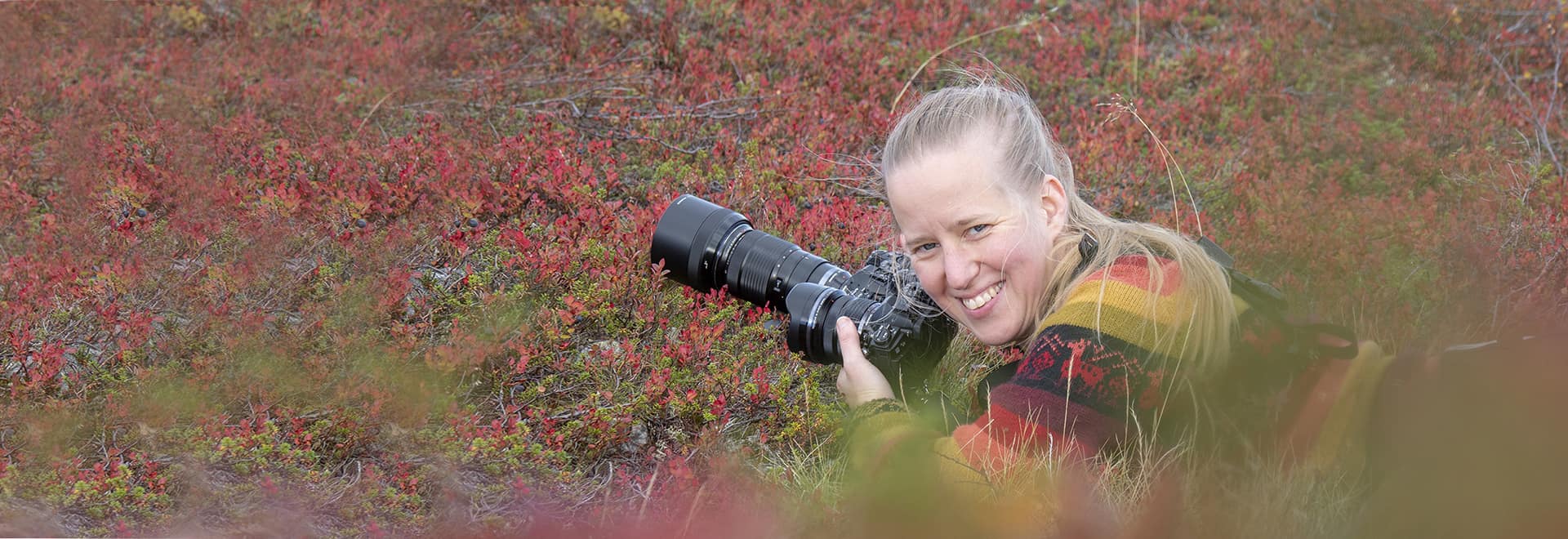
Author: Kaisa Peltomäki
Managing Director at Finnature | Professional Wildlife Photographer | OM SYSTEM Ambassador
Through her work, Kaisa aims to bring people closer to wildlife and natural environments — not only through striking images, but by encouraging understanding and respect for the natural world.
You can follow Kaisa’s work on Instagram in and Facebook, Or visit on her personal Blog where she shares stories from behind the scenes of nature photography.
 Kirjoittaja kaisa